
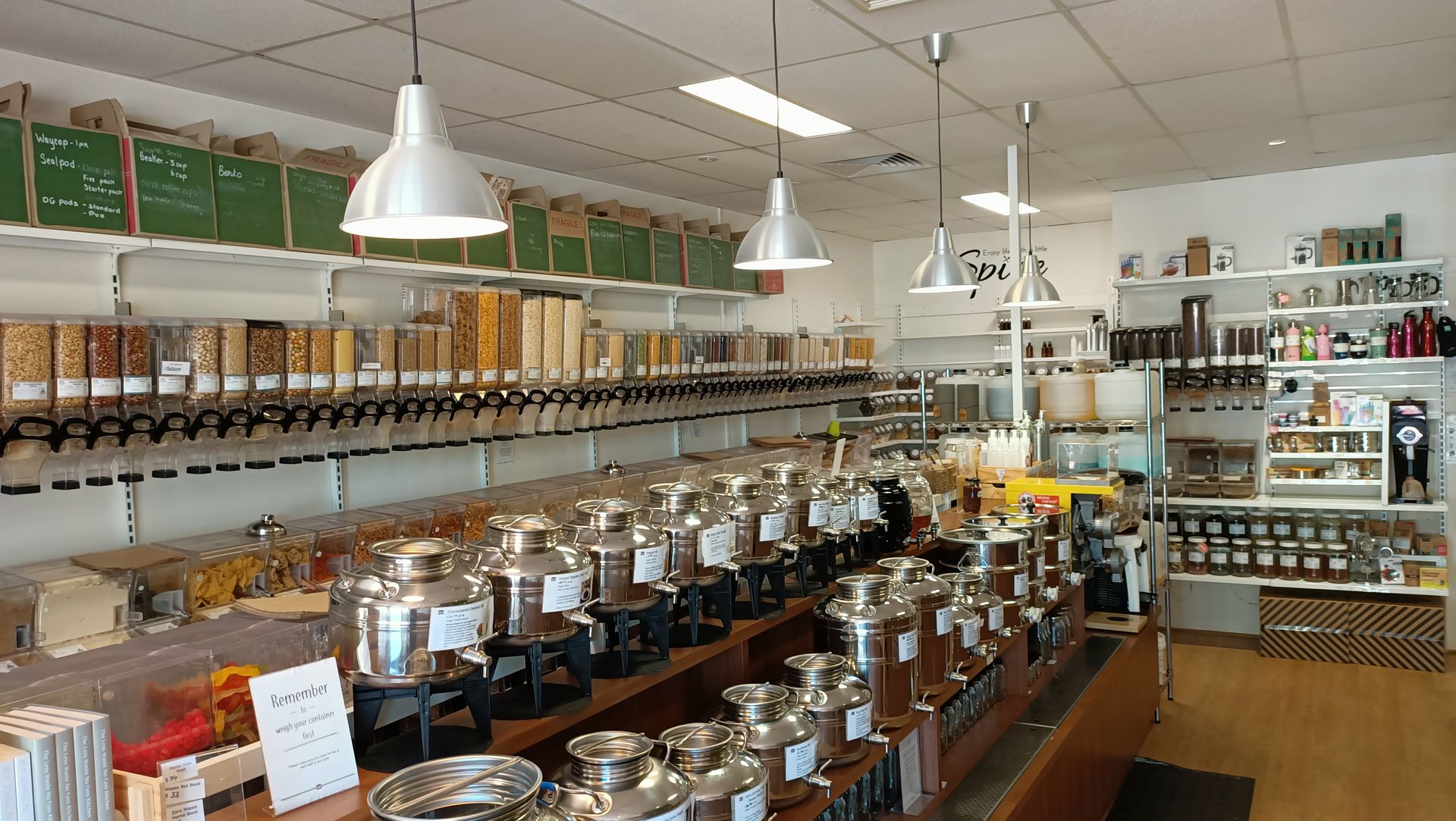
Grocery store shopping is a routine activity that plays a crucial role in daily life. Whether done weekly, biweekly, or as quick trips for essentials, it directly affects health, finances, and lifestyle. Beyond simply filling a cart, grocery store shopping involves planning, decision-making, and adapting to changing needs such as budgets, dietary goals, and family preferences.
Planning Before You Shop
Successful grocery shopping begins before you even enter the store. Creating a shopping list based on meals planned for the week helps prevent impulse buying and reduces food waste. Planning meals also allows shoppers to balance nutrition by including fruits, vegetables, proteins, and whole grains. Checking pantry and refrigerator supplies beforehand avoids buying duplicate items and saves money.
Navigating the Store Efficiently
Understanding a grocery store’s layout can significantly improve the shopping experience. Most stores place fresh produce, dairy, and meats around the perimeter, while processed and packaged foods fill the center aisles. Starting with fresh items ensures healthier choices and prevents forgetting essentials.
Shopping during less crowded hours, such as early mornings or late evenings, can reduce stress and save time. Using a cart or basket wisely—placing heavier items at the bottom and delicate items on top—helps keep groceries safe and organized during checkout.
Making Healthy Food Choices
Grocery shopping is a key opportunity to make healthier eating decisions. Reading nutrition labels allows shoppers to compare products and choose options lower in sugar, sodium, and unhealthy fats. Selecting fresh fruits, vegetables, and lean proteins supports balanced meals and long-term health.
Avoiding shopping while hungry is another helpful strategy. Hunger often leads to impulse purchases, particularly of snacks and sugary foods. Staying focused on the shopping list helps maintain healthy choices, even when tempting items are prominently displayed.
Managing Budget and Saving Money
Grocery store shopping can be expensive, especially with rising food costs. Buying store-brand products instead of name brands often provides similar quality at a lower price. Purchasing items in bulk can also reduce costs, particularly for non-perishable goods such as rice, pasta, and canned goods.
Seasonal produce is typically more affordable and fresher than out-of-season options. Additionally, comparing prices by unit rather than package size helps shoppers identify the best value for their money.
The Role of Technology in Modern Grocery Shopping
Technology has transformed how people shop for groceries. Many stores now offer online shopping, curbside pickup, and home delivery, providing convenience for busy individuals and families. Mobile apps help track spending, store digital coupons, and even suggest recipes based on selected items.
Self-checkout lanes and contactless payments also speed up the shopping process. While technology cannot replace the experience of selecting fresh produce in person, it adds flexibility and efficiency to grocery shopping.
Conclusion
Grocery store shopping is more than a simple errand—it shapes health, finances, and daily routines. With proper planning, mindful choices, and smart budgeting, shoppers can turn this routine task into a positive and productive experience. By approaching grocery shopping thoughtfully, individuals can save money, eat better, and reduce stress, making it a valuable part of everyday life.